
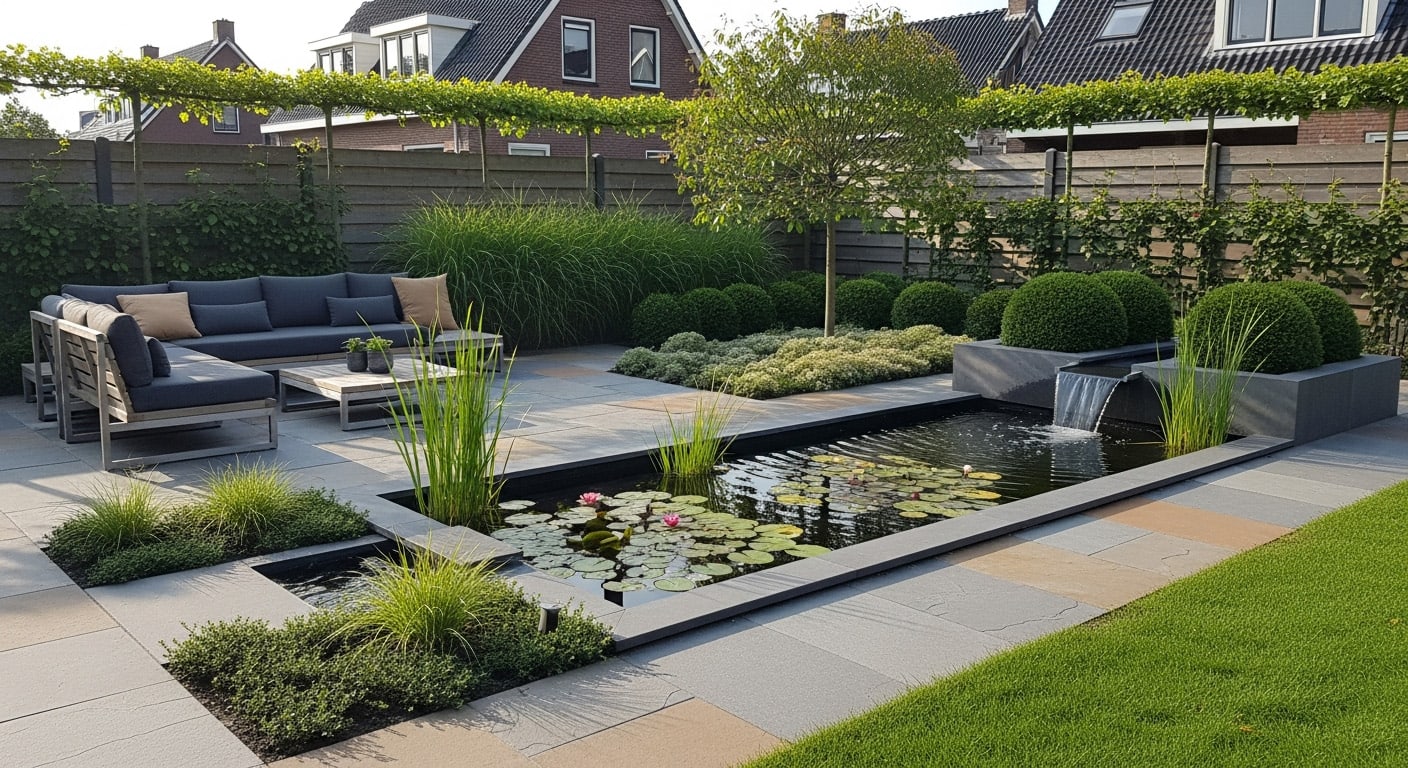
Optimal water values for healthy pond
Want to enjoy clear water and a balanced pond all year round? Then the right water values are essential. By regularly measuring the water quality, you can keep your fish, plants, and micro-organisms healthy. The most important water values together determine how your pond feels and functions. Here you can read what to look out for and what the ideal values are.
Why measuring water values is so important
A pump, filter, and UV-C device do a lot, but they don't tell you how your pond is really doing. More organisms live in a garden pond than in nature, in a smaller area. Without monitoring, that balance can quickly be disrupted. The consequences of incorrect water values can include:
Rapid algae growth
Sick or stressed fish
Poor growth of aquatic plants
Regular measurement helps prevent problems.
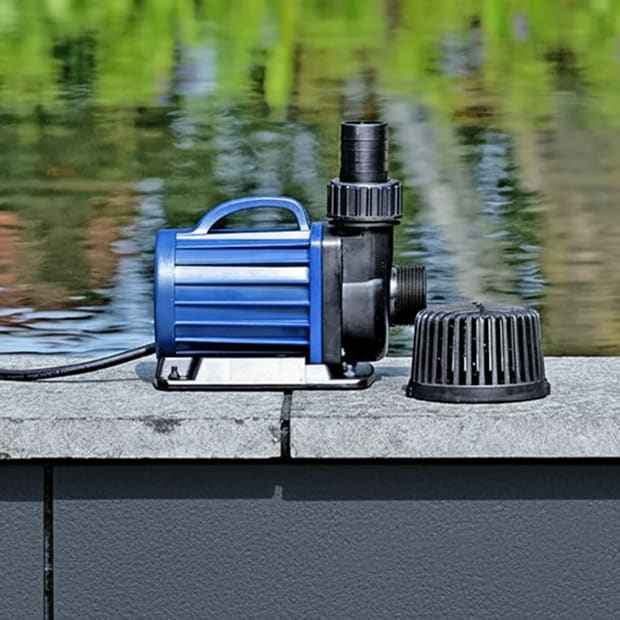
How often should you measure water values?
We recommend checking the water quality weekly. Additional measurements are advisable in the following cases:
Many fish
Warm weather
Topping up with tap water
Leaves or debris in the pond
Test strips, drop tests, or electronic meters provide quick insight. With AquaForte test strips, for example, you can see the condition of your pond within one minute.
Optimal water values for your pond
These are the most important values to keep an eye on:
pH: 6.5 – 8.5
KH: 6° – 10° dH
GH: 8° – 12° dH
Ammonia: 0 mg/l
Nitrite: 0 mg/l
Nitrate: < 30 mg/l
Phosphate: < 0.03 mg/l
We will briefly explain them below.
| Parameter | Function | Ideale value | Comments |
|---|---|---|---|
pH-value (acidity) | The pH directly affects the well-being of fish and plants. | · Ideal: 6,5 – 8,5 pH | A stable value is ideal. |
Carbonate hardness (KH) | KH acts as a buffer for the pH and keeps it stable. | · Ideal: 6 – 10° dH | Below 3° dH, the biological filter process stops. |
Total hardness (GH) | GH consists of calcium and magnesium and is important for plant growth. | · Ideal: 8 – 12° dH | |
Ammonia & nitrite | Fish waste and organic debris produce ammonium, which can turn into toxic ammonia at high pH levels. | · Ammonia: 0 mg/l · Nitrite: 0 mg/l | Both substances are harmful and must be completely broken down by bacteria. |
Nitrate | Nitrate is less harmful, but stimulates algae growth and causes stress in fish. | · Target value: < 30 mg/l | |
Phosphate | Particularly important in ornamental and swimming ponds. | · Ideal: < 0,03 mg/l | This helps you keep algae growth under control. |
pH-value (acidity)
The pH directly affects the well-being of fish and plants.
· Ideal: 6,5 – 8,5 pH
A stable value is ideal.
Carbonate hardness (KH)
KH acts as a buffer for the pH and keeps it stable.
· Ideal: 6 – 10° dH
Below 3° dH, the biological filter process stops.
Total hardness (GH)
GH consists of calcium and magnesium and is important for plant growth.
· Ideal: 8 – 12° dH
Ammonia & nitrite
Fish waste and organic debris produce ammonium, which can turn into toxic ammonia at high pH levels.
· Ammonia: 0 mg/l
· Nitrite: 0 mg/l
Both substances are harmful and must be completely broken down by bacteria.
Nitrate
Nitrate is less harmful, but stimulates algae growth and causes stress in fish.
· Target value: < 30 mg/l
Phosphate
Particularly important in ornamental and swimming ponds.
· Ideal: < 0,03 mg/l
This helps you keep algae growth under control.
Correcting water values: how to do it
Is a water value deviating? Then adjustment is essential. AquaForte's water treatment and water improvement products make correction easy and effective. This prevents:
Excessive algae growth
Health problems in fish
Poor plant growth



Need advice?
Would you like help measuring or correcting water values? An AquaForte dealer will be happy to help you with personal advice and the right products for your pond.
A healthy pond